Sommaren kan kännas avlägsen men helt plötsligt är den här och en del fritidshusägare står kanske inför omfattande ändringsarbeten som inte kan skjutas upp ännu ett år.
Förra året gav jag några tips till en fritidshusägare när kök och badrum skulle byggas om. Vad börjar man med? Vad är bra att tänka på? Råden med e-post var uppskattade och vid fuktbesiktningen upptäcktes oväntade fuktskador som kunde åtgärdas innan kök och badrum byggdes om. Tänk på att 38 % av alla småhus har en fuktskada som kan påverka innemiljön enligt Boverkets BETSI-undersökning.

Kirans tips till fritidshusägare för bygglovsfria åtgärder:
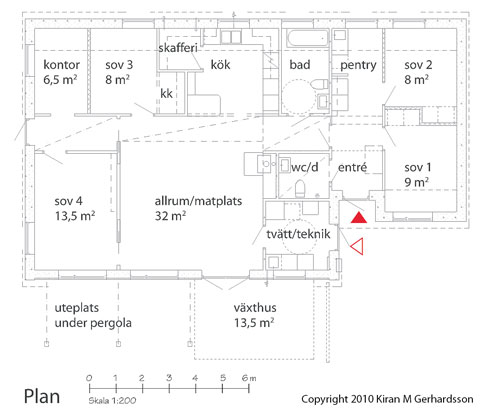
1. Skaffa originalritningar eller gör enkla uppmätningsritningar. De behövs till rumsbeskrivningen och ritningar underlättar för entreprenören.
2. Passa på att göra en fuktsäkerhetsinventering av huset och be om förslag till en fungerande ventilationslösning. Ofta saknas tillräckligt med uteluftsventiler. Anlita helst en diplomerad fuktkonsult.
3. När du har bestämt vilka ändringar du vill göra är det dags att ta fram ett anbudsunderlag som byggare kan räkna på. Ta gärna kontakt med en miljökompetent arkitektkonsult som kan formulera generella föreskrifter om hälsosamma och miljöbra produkter. Specificera materialval som är viktiga för dig i en rumsbeskrivning. Beskrivningen kan utformas som en tabell med en radindelning i golv, sockel, vägg, tak och övrigt (t ex utrustning). I kolumnerna är rubrikerna ytskikt/material, kulör och fabrikat/prisklass. Använd matrisen för varje rum för att minska risken att du glömmer ange sådant som kan påverka priset. Det verkar kanske ambitiöst men en tydlig rumsbeskrivning är en stor hjälp även för det lilla bygget.
4. Gör allt på en gång och välj totalentreprenad, vilket innebär att du har kontrakt med en entreprenör som är ansvarig för alla utförda arbeten och levererade material. Han kan i sin tur anlita underentreprenörer. Om du hellre vill dela upp entreprenaden så tänk på att det tar tid att upphandla flera entreprenader och det krävs framförallt en hel del tidskrävande samordning av dig som byggherre. Går något fel är det dessutom risk att det blir diskussion om vem som är ansvarig.
5. Om du ska göra en smart duschplats är mitt stående tips att välja en ftalatfri våtrumsmatta på golvet (lättstädat, tryggt att se fuktspärren och kostnadseffektivt), särskilt om det är ett träbjälklag. Orkar du rengöra fogarna kan du välja kakel på väggarna annars funkar målad glasfiberväv med lågstruktur utmärkt. Vill du ha en duschhörna med glasskärm/dörr eller duschkabin? Om du väljer det första alternativet kan du kombinera en fast glasskärm med ett draperi i framkant (lättstädat och billigare än en helglasad lösning). En duschkabin är lite jobbigare att hålla ren men är i gengäld en fuktsäkrare lösning eftersom väggar och golv inte utsätts för vattenspolning. En kabin funkar med klinkergolv eftersom golvet inte blir lika nedsmutsat som i en duschhörna med duschväggar..
6. Undvik infällda spotlights i vindsbjälklaget pga risk för otätheter och fuktproblem på vinden. Det är dessutom väldigt oflexibelt. Vill du byta armaturer i framtiden måste de anpassas till håltagningarna eller så tvingas du ta upp nya hål.
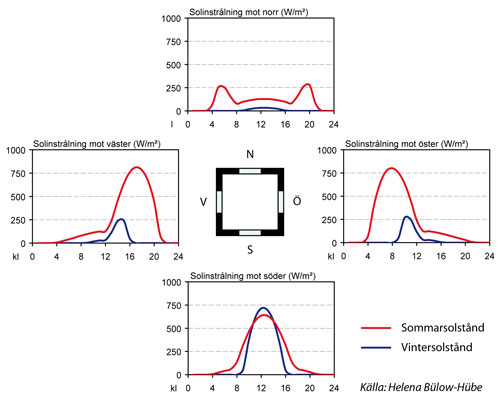
7. Kolla upp luftsolfångare, t ex solarventi, om du har en fri oskuggad södervägg. En bra lösning för bättre luft i sommarstugor.
Detta var några av mina viktigaste tips när det är dags för förnyelse och förbättringar i fritidshuset. Längre fram i vår kommer mina tips till egnahemsbyggare som ska bygga nytt







 kirans blogg